
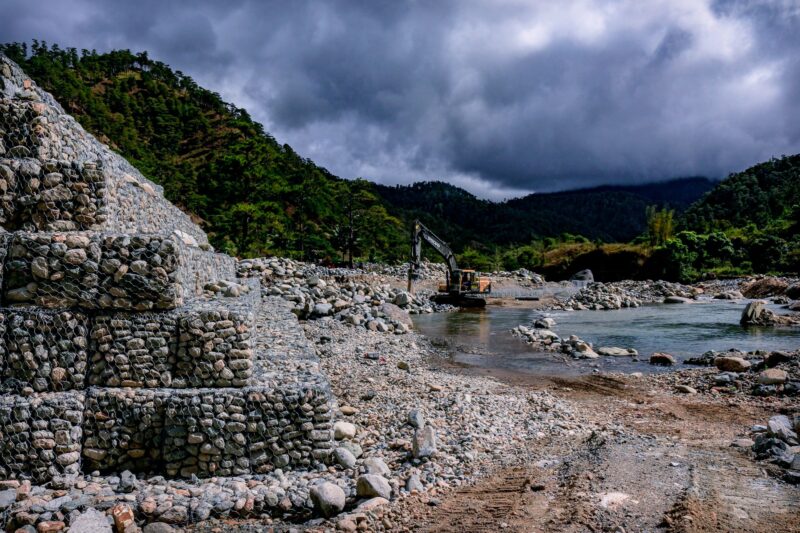
Protecting Submerged Assets: The Critical Role of Strategic Rock Installation
Erosion beneath the water’s surface poses a constant threat to critical infrastructure. Pipelines, bridges, offshore platforms, and shorelines face relentless pressure from waves, currents, and shifting sediments.
Without proper protection, these assets can fail—leading to costly repairs, environmental damage, and operational downtime.
One of the most reliable methods for combating this invisible threat is rip rap placement. This proven technique uses strategically positioned rocks or concrete blocks to shield vulnerable areas from erosion.
When executed correctly, it provides long-term stability for submerged structures while supporting ecological balance. Understanding how this process works—and why it matters—can help you make informed decisions about protecting your underwater assets.
What Makes This Technique Effective for Underwater Erosion Control?
Rip rap placement creates a protective barrier using durable, angular rocks or concrete blocks. These materials absorb and dissipate the energy from waves and currents before they can erode soil or damage structures.
The technique works because of several key factors:
- Energy Dissipation: Angular rocks break up wave action, reducing the force that reaches vulnerable areas
- Weight and Stability: Heavy materials resist displacement from strong currents
- Interlocking Design: Properly placed rocks lock together, creating a unified protective layer
- Permeability: Gaps between rocks allow water to flow through while trapping sediment
This method in underwater erosion control has been used for decades across rivers, coastlines, and offshore installations. Its effectiveness comes from matching the right materials and placement strategy to specific site conditions.
How Site Assessment Shapes Successful Implementation
Every underwater environment presents unique challenges. Water depth, current speed, wave patterns, and soil composition all influence how erosion occurs and how protection should be designed.
A thorough site assessment examines:
Water Dynamics
Professional teams measure wave energy, current velocity, and tidal patterns. These factors determine how much force the protective barrier must withstand and influence material selection.
Soil Conditions
Understanding the substrate—whether sand, clay, or rock—helps predict erosion patterns. Some soils erode quickly under minimal force, while others resist movement until significant pressure builds.
Structural Requirements
The specific asset being protected matters. Pipeline protection demands different considerations than shoreline stabilization. Existing infrastructure, access points, and operational constraints all factor into the placement plan.
Environmental Factors
Water temperature, salinity, marine life, and seasonal variations affect both material durability and installation timing. A comprehensive assessment accounts for these elements to ensure long-term effectiveness.
Selecting Materials That Withstand Marine Environments
Not all rocks provide equal protection. Material selection directly impacts the longevity and performance of erosion control systems.
Size and Weight Considerations
Larger, heavier rocks resist displacement better than smaller stones. However, size must be balanced against placement precision and transportation logistics. Engineers calculate the minimum rock size needed based on expected wave forces and current speeds.
Durability Requirements
Marine environments are harsh. Rocks must resist:
- Chemical weathering from saltwater exposure
- Physical breakdown from repeated wave impact
- Biological degradation from organisms
Granite, limestone, and specially designed concrete blocks typically meet these requirements. The chosen material should maintain its integrity for decades without significant deterioration.
Angular vs. Rounded Shapes
Angular rocks interlock more effectively than rounded stones, creating a more stable barrier. The irregular surfaces increase friction between pieces, reducing the likelihood of individual rocks shifting out of position.
Installation Techniques That Ensure Long-Term Stability
Proper placement requires specialized equipment and experienced personnel. The installation process involves several critical steps:
Precise Positioning
Each rock must be placed deliberately, not simply dumped in a pile. Skilled operators use cranes, barges, and sometimes divers to position materials exactly where needed. GPS technology and underwater cameras help ensure accuracy.
Creating Interlocking Layers
Rocks should nestle together, forming a cohesive unit rather than a loose collection. This interlocking prevents individual pieces from washing away and maintains the barrier’s structural integrity.
Establishing Proper Gradation
The base layer typically uses larger rocks for foundational stability. Subsequent layers may use progressively smaller materials to fill gaps and create a smooth, effective surface. This gradation prevents smaller stones from washing through gaps in larger ones.
Accounting for Settlement
Materials naturally settle over time as weight compresses the underlying soil. Experienced installers account for this by slightly over-building initially or planning for future maintenance additions.
Why This Approach Excels at Pipeline Protection
Underwater pipelines face specific erosion challenges. Currents can create scour—localized erosion that undermines pipe supports and creates dangerous spans.
Rip rap placement addresses scour protection through:
- Targeted Coverage: Materials concentrate around vulnerable points where erosion typically begins
- Flexible Design: The technique adapts to pipeline curves, joints, and irregular terrain
- Minimal Disruption: Installation occurs around existing infrastructure without requiring a shutdown
- Rapid Response: Emergency erosion can be addressed quickly with strategic rock placement
Regular monitoring ensures the protective barrier maintains its effectiveness. If additional coverage becomes necessary, supplemental placement can reinforce weak points before problems escalate.
Environmental Benefits Beyond Structural Protection
While the primary goal is infrastructure protection, properly installed rip rap provides ecological advantages:
Habitat Creation
Gaps between rocks create shelter for fish, crustaceans, and other aquatic organisms. These spaces offer protection from predators and strong currents, supporting diverse marine communities.
Sediment Filtration
The permeable nature of rock barriers allows water flow while trapping suspended sediments. This filtration reduces turbidity and can improve water quality downstream.
Natural Integration
Unlike solid concrete walls, rock installations mimic natural rocky shorelines. Over time, algae, barnacles, and other organisms colonize the surfaces, further integrating the structure into the ecosystem.
Reduced Chemical Impact
Natural stone requires no ongoing chemical treatments or coatings. Once installed, the materials pose minimal environmental risk throughout their service life.
Maintenance Considerations for Lasting Performance
Even well-designed installations require periodic inspection and maintenance. Regular assessments identify potential issues before they compromise protection:
- Visual Inspections: Divers or underwater cameras check for displaced rocks or emerging gaps
- Structural Surveys: Measuring tools verify that settlement remains within acceptable limits
- Performance Monitoring: Comparing before-and-after erosion rates confirms effectiveness
- Supplemental Placement: Adding material to areas showing wear extends the system’s life
Proactive maintenance costs significantly less than emergency repairs after structural failure. Scheduling regular inspections as part of routine asset management prevents surprises.
Making Informed Decisions About Erosion Control
Protecting underwater infrastructure requires understanding both the threats and the solutions. Rip rap placement offers a time-tested approach that balances effectiveness, cost, and environmental responsibility.
When evaluating options for your project, consider:
- Site-specific conditions that influence erosion patterns
- Material quality and its impact on longevity
- Installation expertise and its effect on performance
- Maintenance requirements for sustained protection
Working with experienced professionals ensures your erosion control strategy addresses actual needs rather than applying generic solutions. The right approach protects your assets, supports marine ecosystems, and provides lasting value.
Erosion doesn’t stop on its own. Taking action now prevents the exponentially higher costs of structural failure later. Whether protecting pipelines, stabilizing shorelines, or securing offshore platforms, strategic rock placement offers proven results.