
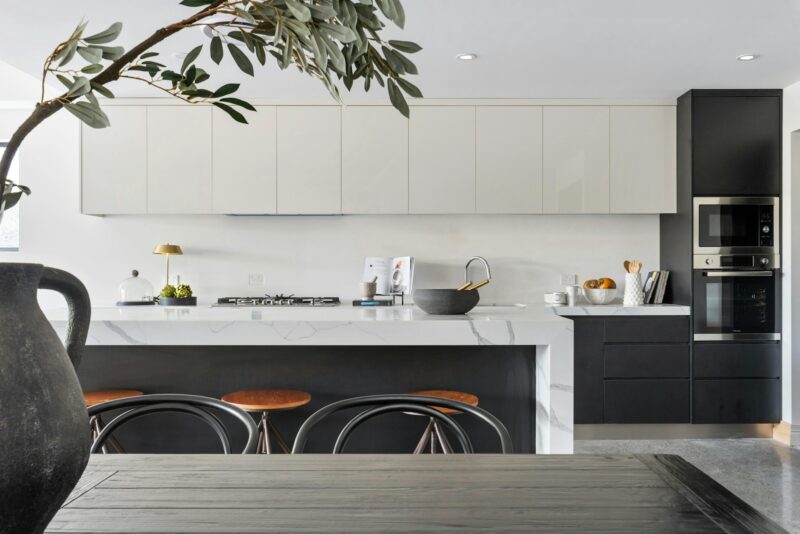
What to Look for When Furnishing Restaurants and Hotels with Seating
Restaurant owners, hotel managers, and hospitality designers all face the same challenge: finding seating that can survive constant use while still looking polished enough to impress guests.
Unlike furniture bought for a private home, hospitality furniture has to endure spills, late-night crowds, daily wipe-downs, and years of turnover without losing its shape or shine. Get the seating wrong, and you’re stuck replacing chairs every year or apologizing to guests for wobbly, worn-out seats. Get it right, and your dining room becomes a space people want to return to.
This guide breaks down what actually matters when sourcing seating for a commercial space—from materials and construction to comfort and style—so you can make a confident, informed purchase.
Why Seating Choices Matter More in Commercial Spaces
Every chair in a restaurant or hotel dining room works overtime. A chair that might see light use in someone’s kitchen could be sat in and slid across the floor dozens of times a day in a busy establishment. That level of wear demands furniture built specifically for high-traffic environments, not pieces borrowed from a residential lineup.
Poor seating choices carry real costs:
- Frequent replacements eat into profit margins and disrupt operations.
- Inconsistent style can undercut the atmosphere a business worked hard to create.
- Uncomfortable chairs shorten how long guests stay, which can reduce spending per visit.
This is why sourcing genuine contract furniture, designed and tested for commercial use, is a smarter long-term investment than opting for standard retail pieces.
How to Evaluate Durability in Commercial Dining Chairs
Durability should be the first filter applied to any seating decision. A chair that looks great in a showroom but buckles after six months of daily use isn’t saving anyone money.
When assessing durability, consider the following:
- Frame material: Solid wood, metal, and reinforced composite frames tend to outperform lightweight or hollow alternatives.
- Joinery: Look for mortise-and-tenon joints or metal bracing at stress points, rather than glued or stapled connections.
- Upholstery: Performance fabrics and vinyl with high double-rub ratings resist stains, tears, and fading better than standard textiles.
- Weight capacity: Confirm the chair is rated for commercial use, not just residential loads.
- Finish: Sealed or powder-coated finishes hold up better against spills and constant cleaning.
Sourcing from a supplier that specializes in restaurant seating means these durability standards are typically built in from the start, rather than an afterthought.
Balancing Comfort with Turnover Needs
Comfort in a commercial setting isn’t just about relaxation, it directly affects how guests experience their visit and how efficiently a business runs. A quick-service café and a fine dining restaurant have very different comfort requirements.
Some factors to weigh:
- Seat depth and height: Chairs that are too deep or too low can make guests feel awkward or fatigued.
- Cushioning: Higher-density foam holds its shape longer under repeated use compared to softer, lower-quality padding.
- Back support: A slight recline or contoured backrest encourages guests to stay comfortable through longer meals.
- Armrests: Useful for lounge or bar areas, but they can slow table turnover in high-volume dining rooms.
Businesses aiming for longer guest visits, such as upscale restaurants, may prioritize cushioned seating with more support. Fast-casual spots, on the other hand, often benefit from sleeker designs that are comfortable enough for a meal but not so plush that they encourage lingering during peak hours.
Matching Style to Brand Identity
Seating is one of the most visible design elements in any dining space, so it needs to align with the overall brand experience. A rustic farm-to-table restaurant calls for a very different aesthetic than a sleek rooftop bar or a boutique hotel lobby.
When selecting a style direction, consider:
- Material tone: Warm woods suit cozy, traditional spaces, while metal and glossy finishes fit modern or industrial themes.
- Color palette: Neutral tones offer flexibility, while bold colors can reinforce a distinct brand identity.
- Silhouette: Curved, upholstered chairs feel more residential and relaxed, while structured, angular designs feel more contemporary.
- Consistency: Mixing too many styles can make a space feel disjointed rather than curated.
Many hospitality businesses now browse curated collections of commercial dining chairs to find options that balance visual appeal with the practical demands of daily service, ensuring the seating supports rather than distracts from the brand.
Practical Considerations for High-Turnover Environments
Beyond durability and style, there are operational details that often get overlooked until after a purchase is made. These practical factors can significantly affect day-to-day efficiency.
Keep these in mind during the selection process:
- Stackability: Stackable chairs make it easier to reconfigure a space for events or store seating during off-hours.
- Weight: Lighter chairs are easier for staff to move and clean around, but shouldn’t compromise stability.
- Cleaning requirements: Materials that wipe clean quickly reduce staff labor and downtime between seatings.
- Floor protection: Chairs with proper glides or caps prevent scratches on flooring, which can be costly to repair over time.
- Lead times: Since commercial furnishing often involves outfitting an entire space, confirm availability and delivery timelines before finalizing an order.
Thinking through these details in advance can prevent costly delays or operational headaches once a space is up and running.
Working with a Trusted Hospitality Furniture Supplier
Sourcing seating for a commercial space is rarely a one-time purchase. Businesses typically need ongoing access to matching pieces, replacements, and new designs as their space evolves. This choice of supplier is just as important as the choice of chair.
Look for a supplier that offers:
- A broad and regularly updated catalog, so there’s room to refresh a space without starting from scratch.
- Consistent quality across product lines, ensuring new orders match previous purchases.
- Support for both residential and commercial applications, which often signals well-tested, versatile designs.
- Clear product specifications, including dimensions and materials, to simplify planning and layout decisions.
A dependable supplier relationship makes it easier to scale seating needs as a business grows, opens new locations, or simply needs to replace a few worn pieces without disrupting the overall look of the space.
Investing in Seating That Works as Hard as You Do
Furnishing a restaurant, hotel, or event space is a balancing act between durability, comfort, style, and practicality. Cutting corners in any one of these areas tends to show up quickly, whether that’s a wobbly chair leg, a guest complaint, or a dining room that feels mismatched.
Taking the time to evaluate frame construction, upholstery quality, comfort needs, and brand alignment upfront pays off in fewer replacements and a more cohesive guest experience over time. As you plan your next furnishing project, treat seating as a long-term investment rather than a quick fix, and choose pieces built to perform under the demands of daily hospitality use.