
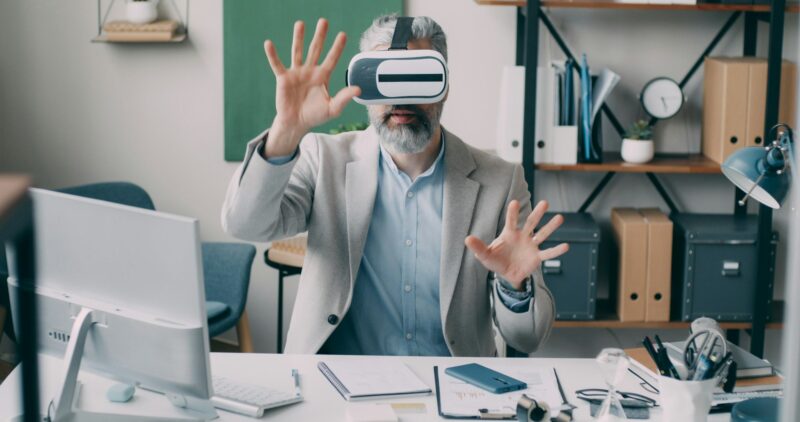
The Metaverse Makes Its Comeback: Here’s What Changed
Remember when everyone was buzzing about the metaverse? Tech giants were pouring billions into virtual reality. Brands were buying digital real estate. Then, almost overnight, the conversation seemed to evaporate.
Fast forward to today, and the metaverse is back in the headlines. But this time, something’s different. The hype has been replaced by substance. Companies have learned from past mistakes, technology has matured, and practical applications are emerging that actually make sense.
So what sparked this renewed interest? And more importantly, should you be paying attention? This resurgence isn’t just about flashy announcements or speculative investments.
It’s driven by genuine technological advances, clearer use cases, and a better understanding of how virtual spaces can integrate with our daily lives. Let’s explore why the metaverse conversation has reignited and what it means for businesses, creators, and everyday users navigating this digital frontier.
Technology Finally Caught Up With the Vision
Hardware Improvements Made Virtual Experiences Viable
Early metaverse attempts stumbled because the technology simply wasn’t ready. Clunky headsets, limited processing power, and uncomfortable user experiences created barriers that even the most enthusiastic adopters couldn’t overcome.
Recent developments have changed this landscape considerably:
- Lighter, more comfortable headsets: New VR devices weigh significantly less and can be worn for extended periods without discomfort
- Higher resolution displays: Improved screens eliminate the “screen door effect” that plagued earlier virtual reality experiences
- Better tracking systems: Enhanced motion tracking creates more natural interactions within virtual spaces
- Standalone devices: No longer tethered to expensive gaming PCs, modern VR headsets offer freedom of movement
Faster Internet Infrastructure Reduced Lag
Latency was another critical barrier. Nothing breaks immersion faster than stuttering visuals or delayed responses to your movements. The rollout of 5G networks and improvements in edge computing have dramatically reduced these issues.
Users can now interact in real-time across virtual spaces without the frustrating delays that previously made collaborative experiences impractical.
Practical Applications Emerged Over Pure Speculation
Businesses Found Genuine Use Cases
The first metaverse wave was heavy on speculation and light on practical applications. Companies bought virtual land as an investment, but few knew what to do with it once they owned it.
This time around, organizations are approaching virtual spaces with specific goals:
- Remote collaboration: Teams use virtual environments for meetings that feel more engaging than standard video calls
- Training simulations: Medical students practice procedures, pilots log hours in simulators, and factory workers learn safety protocols in risk-free virtual environments
- Product visualization: Retailers let customers preview furniture in their homes, car buyers explore vehicle interiors, and real estate agents offer virtual property tours
- Customer service: Support teams assist customers by demonstrating solutions in shared virtual spaces
Creators Built Communities Rather Than Storefronts
Early metaverse platforms resembled ghost towns filled with empty storefronts. Brands rushed to establish a presence but didn’t give users reasons to return.
Successful virtual spaces now prioritize community building:
- Artists host virtual gallery openings where attendees can interact with creators
- Musicians perform concerts that offer experiences impossible in physical venues
- Educators create immersive learning environments that make complex subjects more accessible
- Gaming communities gather in persistent worlds that evolve based on player actions
Digital Identity Became More Sophisticated
Avatars Evolved Beyond Simple Representations
Your digital identity matters more than ever. Early avatars were basic, offering limited customization and little connection to your actual personality or professional brand.
Modern avatar systems provide:
- Detailed customization: Users can create digital representations that reflect their identity, from appearance to clothing choices
- Consistency across platforms: Interoperable standards allow you to maintain your digital identity across different virtual spaces
- Professional and casual personas: Separate avatars for work meetings and social gatherings
- Accessibility features: Options that accommodate users with different abilities and preferences
Reputation Systems Created Accountability
One major criticism of early virtual spaces was the lack of accountability. Anonymous users could behave poorly without consequences, creating toxic environments that drove people away.
New reputation and verification systems have improved this:
- Verified identities for professional contexts
- Community-driven moderation tools
- Transparent history of interactions and contributions
- Consequences for disruptive behavior that follow users across platforms
Economic Models Matured Beyond NFT Speculation
Virtual Economies Developed Real Value
The first metaverse boom was inseparable from cryptocurrency speculation and NFT mania. Virtual land is sold for millions of dollars based on hype rather than utility. When the bubble burst, many questioned whether virtual goods held any real value.
Current economic approaches are more grounded:
- Skills-based economies: Creators earn income by designing virtual spaces, clothing, or experiences
- Service marketplaces: Consultants, teachers, and entertainers offer services in virtual environments
- Advertising and sponsorships: Brands pay for visibility in high-traffic virtual spaces, similar to physical world advertising
- Subscription models: Users pay for access to premium features, private spaces, or exclusive content
Regulation Brought Clarity and Protection
Regulatory uncertainty initially held many businesses back from serious metaverse investments. How would virtual property be taxed? What consumer protections applied to digital goods? Could virtual spaces be held liable for user behavior?
While still evolving, regulatory frameworks are becoming clearer. This clarity has encouraged more substantial investments from established companies that previously remained on the sidelines.
Privacy and Safety Concerns Are Being Addressed
Data Protection Standards Improved
Early metaverse platforms collected enormous amounts of user data with few restrictions on how that information could be used. This raised legitimate privacy concerns that made many potential users hesitant.
Recent improvements include:
- Transparent data policies: Clear explanations of what data is collected and why
- User control: Options to limit data sharing and delete information
- Privacy-by-design: Systems built with privacy considerations from the ground up rather than added as afterthoughts
- Regional compliance: Adherence to regulations like GDPR and CCPA
Safety Features Became Standard
Virtual harassment and other safety issues plagued early platforms. Women and minorities, in particular, faced disproportionate abuse in poorly moderated spaces.
Modern platforms implement comprehensive safety features:
- Personal boundaries that prevent unwanted physical proximity
- Easy-to-use blocking and reporting tools
- AI-powered content moderation that catches violations quickly
- Safe zones where users can escape uncomfortable situations
Integration With Real-World Systems Created Practical Value
Virtual and Physical Experiences Blended
Rather than treating the metaverse as a completely separate realm, successful implementations bridge virtual and physical worlds.
Practical examples include:
- Hybrid events: Conferences that accommodate both in-person and virtual attendees equally
- Augmented reality overlays: Digital information layered onto physical environments through smartphone cameras or AR glasses
- Digital twins: Virtual replicas of physical facilities that help with planning, maintenance, and operations
- Connected products: Physical items with digital counterparts that unlock virtual experiences
Workplace Integration Accelerated Adoption
The shift to remote work during the pandemic created demand for better collaboration tools. While video calls became ubiquitous, they have limitations that virtual spaces can address.
Organizations are experimenting with:
- Virtual offices where remote teams can gather informally
- Immersive presentation environments that improve engagement
- Training facilities that simulate real workplace scenarios
- Social spaces that help distributed teams build relationships
Looking Ahead: The Metaverse as Infrastructure
The conversation around the metaverse has shifted. We’ve moved past the “what if” phase and firmly into “what works.” Rather than a single virtual world usurping our physical reality, we are seeing a network of interconnected spaces, each designed for a specific purpose.
It helps to view the metaverse not as a destination, but as infrastructure. Much like the internet matured from a novelty into a vital utility, virtual spaces are becoming foundational tools for commerce, education, and entertainment.
The main difference between this cycle and the last? Realism. No one is suggesting we abandon the physical world for a digital one anymore. These tools are here to complement our reality, not replace it.
This drive for practical, high-value technology extends beyond the digital realm. In the medical aesthetics industry, for example, innovation is shifting toward non-invasive solutions that deliver measurable results without disrupting daily life.
Devices utilizing advanced ultrasound technology are now capable of stimulating collagen and tightening skin effectively. If you’re interested in how these next-gen aesthetic technologies are evolving, you can learn more about the science behind them.
For businesses and creators, this offers a chance to experiment without the risk of unproven concepts. Start small. Test use cases. Discover what resonates with your audience. The metaverse is no longer an all-or-nothing gamble.
As these technologies advance, they will naturally integrate into our daily routines—not because of speculation, but because they solve actual problems. That utility creates a far stronger foundation for lasting change than breathless hype ever could.