
Unlock the Power of Touch: A Guide to Choosing the Best Bodywork Style
Walking into a spa or clinic can sometimes feel overwhelming. You know you need relief, but the menu of services often reads like a complex medical textbook mixed with a luxury travel brochure.
Should you choose the intense pressure of deep tissue, or stick to the gentle, rhythmic flow of a Swedish massage? Making the right choice is crucial because different styles achieve vastly different results.
While almost any massage feels good in the moment, matching the modality to your specific physical or emotional needs is the key to long-term wellness.
A session designed for muscle recovery might be too intense if your primary goal is stress reduction. Conversely, a light touch session might leave you frustrated if you are battling a stubborn knot in your shoulder.
Understanding the nuances of these therapies empowers you to advocate for your health. If you have ever researched how to become a massage therapist, you know that practitioners undergo rigorous training to master these distinct massage techniques.
Each style utilizes specific strokes, pressures, and philosophies to target the body’s systems in unique ways. This guide breaks down the most common modalities to help you book your next appointment with confidence.
Swedish Massage: The Foundation of Relaxation
If you are new to bodywork or simply need to unwind, Swedish massage is the gold standard. It is the most common type of therapy offered in Western clinics and serves as the baseline for many other styles.
What to Expect
The primary goal here is overall relaxation. The therapist uses long, gliding strokes known as effleurage, combined with kneading and circular movements on the topmost layers of muscles. The pressure can range from light to firm, but it is rarely painful.
Best For
- Stress Reduction: This modality is exceptional for calming the nervous system.
- Circulation: The long strokes flow in the direction of blood returning to the heart, improving circulation.
- Beginners: If you aren’t sure what your pain threshold is, this is a safe and pleasant place to start.
Deep Tissue Massage: Targeting Chronic Tension
Many people confuse “deep tissue” with “firm pressure,” but they are not the same thing. Deep tissue is a specific technique that focuses on the deeper layers of muscle and connective tissue (fascia).
The Technique
The therapist will often use slower strokes and more direct friction across the grain of the muscle. You might feel the therapist using their knuckles, elbows, or forearms to work out adhesions (bands of painful, rigid tissue). While it can be intense, it should not be unbearable. Communication with your practitioner is vital here.
Best For
- Chronic Pain: It is highly effective for stiff necks, lower back tightness, and sore shoulders.
- Mobility: Breaking down scar tissue can help improve the range of motion.
- Rehabilitation: Often used to help heal past injuries.
Sports Massage: Performance and Recovery
You don’t have to be an Olympic athlete to benefit from sports massage. This style is designed for people who have active lifestyles or physically demanding jobs. It focuses on the impact of certain activities on specific joints and muscle groups.
Pre-Event vs. Post-Event
Sports massage is versatile. Pre-event sessions are often fast-paced and stimulating to warm up muscles. Post-event sessions are slower and focused on flushing out metabolic waste (like lactic acid) to speed up recovery.
Key Benefits
- Flexibility: Includes assisted stretching to prevent injuries.
- Endurance: Helps muscles function more efficiently.
- Injury Prevention: Identifies tight areas before they become strains or tears.
Trigger Point Therapy: Pinpointing the Problem
Have you ever pressed on a sore spot in your back and felt pain shoot up your neck? That is a trigger point—a tight area within muscle tissue that causes pain in other parts of the body.
How It Works
Trigger point therapy involves applying direct, sustained pressure to these specific points. The sensation can be intense initially, often described as “good pain,” but as the knot releases, the relief is immediate. The therapist might ask you to breathe deeply while they hold the pressure for several seconds.
Best For
- Specific Issues: Ideal for treating headaches, sciatica, or rotator cuff pain.
- Pain Management: Excellent for focused pain relief rather than a full-body experience.
- Postural Issues: Helps correct imbalances caused by repetitive strain.
Shiatsu and Thai Massage: Eastern Energy Work
If you prefer a more active or rhythmic experience, Eastern modalities offer a unique approach to wellness. These styles often focus on the body’s energy flow, or “Qi.”
Shiatsu
Originating in Japan, Shiatsu means “finger pressure.” The therapist uses rhythmic pressure on specific acupressure points along the body’s meridians. No oil is used, and you typically remain fully clothed. It is deeply grounding and restorative.
Thai Massage
Often described as “lazy man’s yoga,” Thai massage involves the therapist moving your body into various yoga-like stretches. They use their hands, knees, legs, and feet to move you into a series of postures. It is much more active than a table massage and improves energy and flexibility.
Hot Stone and Aromatherapy: Sensory Enhancements
Sometimes, manual manipulation isn’t enough, and your body needs extra help to let go of tension. This is where thermal and olfactory therapies shine.
Hot Stone Therapy
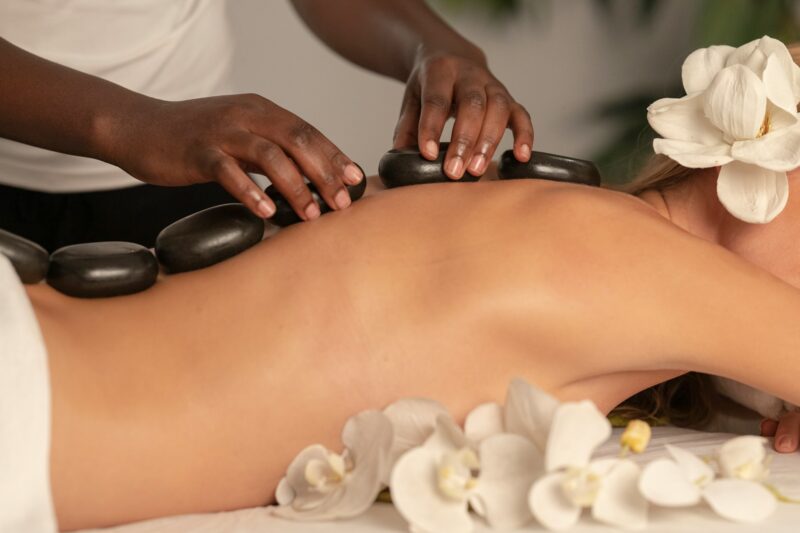
Smooth, flat, heated stones are placed on specific parts of your body. The stones are made of basalt, a type of volcanic rock that retains heat. The heat warms and relaxes the muscles, allowing the therapist to apply deeper pressure, if desired, without causing discomfort.
Aromatherapy
This adds the element of scent through essential oils. It’s not just about smelling good; specific oils trigger different responses in the brain.
- Lavender: Promotes sleep and calm.
- Eucalyptus: clears airways and invigorates.
- Peppermint: Boosts energy and aids focus.
Listen to Your Body for the Best Results
Choosing the right massage technique ultimately comes down to your goals for that specific day. You might need deep tissue work one month to handle back spasms, and a gentle Swedish massage the next month to cope with work anxiety.
Communicate clearly with your therapist before you get on the table. Be honest about your pain levels, your stress levels, and what you hope to achieve.
Professional therapists are trained to adapt their techniques to suit your body’s unique landscape. By aligning the therapy with your needs, you turn a simple luxury into a vital component of your health regimen.