
Practical Ways to Start Living More Sustainably
Adopting a more eco-friendly lifestyle can seem overwhelming at first, but small changes add up to make a meaningful impact.
Whether you’re looking to reduce your waste, lower your carbon footprint, or support green living, this guide breaks down sustainable living into actionable steps that fit any beginner’s routine.
You’ll learn simple zero-waste tips, how to minimize energy use, and how easy it can be to make environmentally responsible choices every single day.
Why Sustainable Habits Matter
Taking steps towards a more sustainable life helps protect our planet’s precious resources. The path to green living is built on daily decisions—from what you buy to how you manage waste—that collectively have the power to reduce pollution, conserve energy, and slow the effects of climate change.
The best part? Anyone can begin with just a few practical steps, regardless of where they live or how much they know about sustainability.
Step One – Reduce, Reuse, Recycle
Rethinking Your Consumption
The first step towards a zero waste lifestyle is to reduce what you consume. Start by purchasing only what you truly need. Avoiding impulse buys and choosing quality over quantity helps extend the life of your possessions and reduces overall waste.
Reusable Alternatives
Switch to reusable shopping bags, water bottles, and coffee cups. These small swaps not only decrease single-use plastics but also save you money in the long run.
Recycling Wisely
Get familiar with your local recycling guidelines. Properly separate plastics, paper, metal, and glass to make sure they are processed correctly. When in doubt, check your city’s website or ask at a community center.
Step Two – Mindful Food Choices
Prioritizing Local and Seasonal
Buying locally sourced, seasonal produce reduces the carbon footprint tied to long-distance transportation. Visit farmers’ markets or consider joining a community-supported agriculture (CSA) group to support nearby growers.
Cutting Down on Food Waste
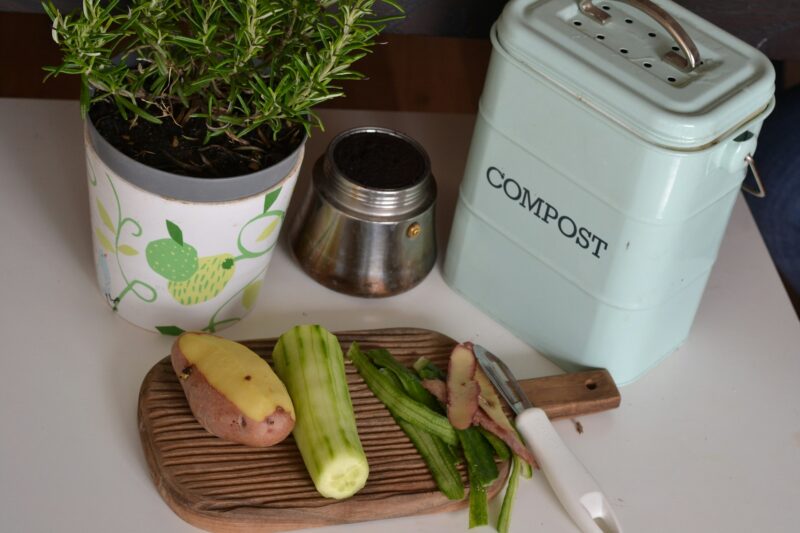
Plan your meals, freeze leftovers, and practice “first in, first out” with pantry items. Composting scraps instead of sending them to the landfill gives organic waste new life.
Step Three – Eco-Friendly Home Improvements
Energy-Efficient Upgrades
Simple changes like installing LED bulbs and weather-stripping windows can cut energy use dramatically. Consider upgrading old appliances to energy-efficient models carrying the ENERGY STAR label.
Reducing Water Use
Fix leaky faucets, install low-flow showerheads, and consider plants native to your region for landscaping to cut down on outdoor watering needs.
Structural Maintenance
Maintaining the structural integrity of your home is also crucial for long-term sustainability. If you live in a coastal area or near water, ensuring your foundation is secure can prevent costly environmental damage.
Using eco-friendly systems for piling repair helps protect marine environments while extending the life of your home’s support structures.
Step Four – Responsible Consumption Habits
Choosing Sustainable Brands
Support companies dedicated to green living by looking for certifications such as Fair Trade, Rainforest Alliance, or B Corp. Buying from transparent brands encourages industry-wide shifts towards eco-friendly practices.
Minimalist Mindset
Before new purchases, ask yourself if you truly need the item or if borrowing, sharing, or renting could meet your needs. Minimalist living naturally leads to less waste and more mindful management of resources.
Step Five – Sustainable Transportation Solutions
Walking, Biking, and Public Transit
Opt to walk or bike for short trips. Using public transportation, instead of driving, helps lower greenhouse gas emissions. For longer trips, consider carpooling or ride-sharing options.
Electric and Hybrid Vehicles
If you need a car, choose an electric or hybrid vehicle to decrease your reliance on fossil fuels and reduce emissions over time.
Step Six – Creating a Low-Waste Routine
Simple Swaps
Switch from paper towels to cloth napkins, and from plastic wrap to beeswax wraps. Bring containers when shopping for bulk foods or leftovers from restaurants.
DIY Cleaning and Personal Care
Make your natural cleaners with ingredients like vinegar and baking soda. Many personal care products, such as deodorant or facial scrubs, can also be made at home with eco-friendly ingredients.
Moving Forward with Confidence
Adopting a sustainable lifestyle doesn’t require a complete overhaul; it’s about progress, not perfection. Focus on a few changes at a time until they become habits.
Over time, these steps form a solid foundation for an eco-friendly lifestyle that benefits you and the planet. Keep educating yourself, encourage your friends and family to get involved, and celebrate every effort as a step toward a greener, healthier future.